sunzhigang
Members
-
Joined
-
Last visited
-
你单运行下这条命令看看
-
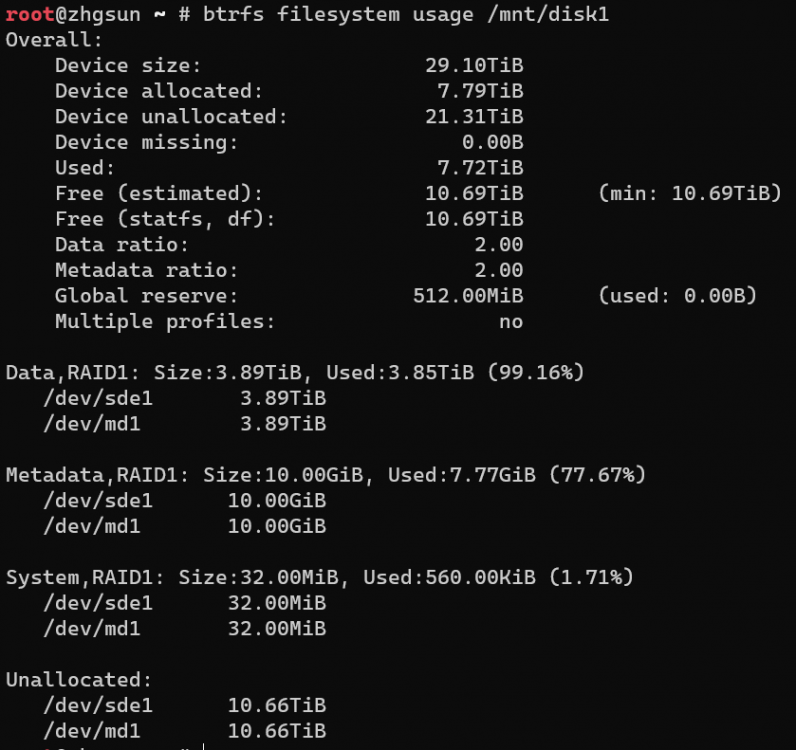
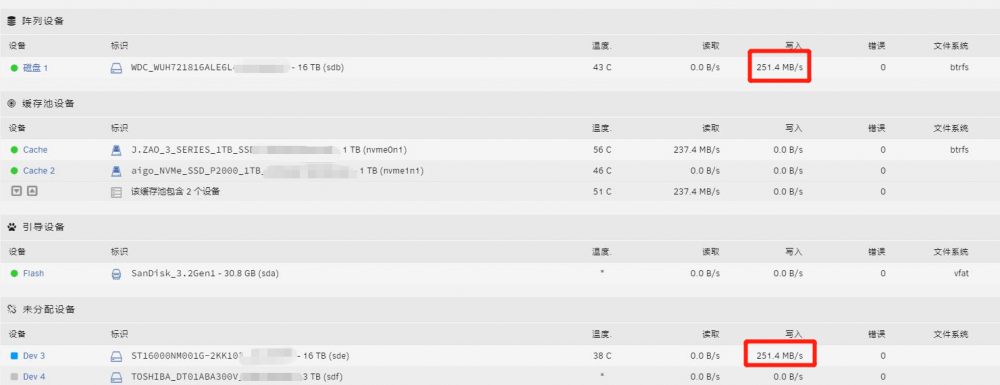
PS: 前提使用的是BTRFS文件系统 首先抛出问题: 添加校验盘,性能下降严重 不用校验盘,数据安全无法保证 无法选择哪些数据需要保护,一些不重要数据做冗余浪费空间 解决方案: 停止阵列 制作一个重要数据磁盘(原始磁盘为sda1,校验磁盘为sdb1) mkdir /raid mount /dev/sda1 /raid btrfs device add /dev/sdb1 /raid btrfs balance start -dconvert=raid1 -mconvert=raid1 /raid 工具——新配置,创建没有校验盘的新阵列配置。除了不添加校验盘,其它与原来一样(原来校验盘那块磁盘不要添加进去)。 启动阵列,在共享页将需要重要数据添加到sda,不重要数据排除sda。 至此方案完成且无数据损失。性能恢复正常,且使用最安全的raid1冗余保护重要数据空间也基本足够。不需要额外修改,也不影响添加固态cache进一步提高性能。
-
go那条命令就是把自定义的命令链接到/usr/local/bin下面
-
其实主要思路是/usr/local/bin优先级大于/usr/bin/,自己可以自定义一些同名命令放在/usr/loca/bin/下面,这样系统调研就都会调用你的命令。 /usr/local/bin/下面命令可以是对参数解析更改后传给/usr/bin下的原始命令
-
首先大概描述下问题所在: github等网站经常被墙导致无法访问 就算能连上也经常无法下载或者速度特别慢 然后说下大概解决思路: 使用国内github镜像网站替换掉原始地址 发现很多网站https不能下载,http反而速度还可以,那就用把下载地址的https替换为http。 unraid下载大多数时候使用的是wget命令,所以在wget里面完成以上操作即可 最后说下我的具体步骤,仅供参考: 因为/usr/local/bin优先级高于/usr/bin,所以我在/usr/local/bin中写了个同名wget脚本,内容如下,主要作用就是将调用wget的参数做替换,然后再传给真正的wget: #!/bin/bash opts=$@ opts=`echo $opts | sed -e 's;raw.githubusercontent.com;raw.staticdn.net;g' -e 's;https://raw.github.com/;https://raw.staticdn.net/;g' -e 's;https://github.com/;https://github.com.cnpmjs.org/;g' -e 's;https://;http://;g' ` /usr/bin/wget ${opts} 这个wget脚本我实际存储在/mnt/user/system/bin/wget,在/boot/config/go中链接到/usr/local/bin中,命令如下: find /mnt/user/system/bin -type f ! -name ".*~" -exec ln -sf {} /usr/local/bin/ \; 然后你就发现系统中的所有下载好用了,尤其更新系统安装插件。 同样思路可以做很多事。