alturismo
Moderators
-
Joined
-
Last visited
Everything posted by alturismo
-
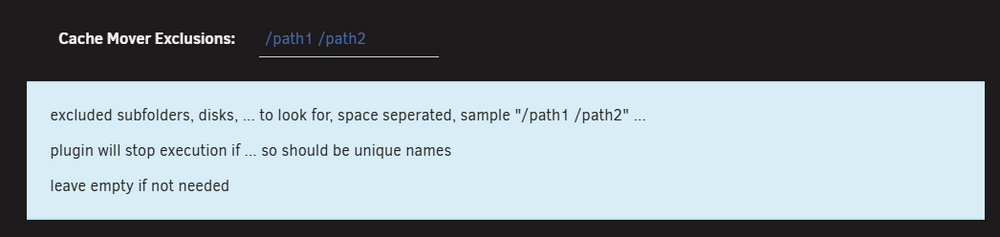
what you mean with "This" ? ;) my suggestion would be, stop container wise, check dashboard when it stops using so much usage, or better, check seperate ssh seassion with top ...nope, but rather not plex as it would mean you have xyz parallel encoding streams running ;)actually all you really need is the vdisk image from your domains folder but to make sure all is backed up and you wouldnt need to arrange a "new" VM with an eisting "vdisk" there are 3 files overall, sample here so, in the end copy these 3 files (correct names and pathes fitting your setup) xml > start Parameters for your VM (could also be recreated) .fd > personal bios according to your VM (would be recreated when recreating with existing vdisk) .img > mandatory to backup !!! thats your complete VM ... can be used when recreating a new VM with existing disk (using same parameters for bios and mashine type) and your VM would be back like before too ... thats it ;) so your image file is the only really needed one, rest is "save to have" to restore in terms a update inside a VM failed, just replace the vdisk.img and you are back on that state to restore on a complete new mashine (new unraid server setup) push the 3 upper files to their locations, unraid terminal or simple create a new VM, point to your existing vdisk image, when you use the same bios tyoe (ovmf) and mashine type (q35) it will just start up as before too, you just should know which bios and mashine type the VM should start with ;) cpu cores, ram assignement, devices, ... can always be changed. and its all back there as before ;)may stop dockers which are related to transcoding ... you have insane many ffmpeg sessions opennope, alle 25h2 clients ok nope, nur die seit win 24h2 update bekannten Windows Maßnahmen da gibt es nichts zu beachten falls du von vor 24h2 kommen solltest, es gab Probleme vor gut einem Jahr mit dem 24h2 update, google ist voll damit, hier im Forum auch jede Menge Threads dazu.um da final noch eins weiter zu gehen Syn, SHR ist ein prop System, kann man da jetzt wenn alles schief läuft recovern ... vielleicht ;) bei 2 disk setup (SHR anstelle raid1), mit Aufwand irgendwie an einem Linux lösbar (1 disk recover) bei > 2 disks setup wird es schon spannender ... und jetzt mal ein Szenario, 6 disks, 1 Parity (oder SHR1 by synology), es gehen jetzt 2 disks parallel defekt ... Unterschied jetzt. Unraid hat keinerlei striped Daten im Array, sprich, 4 Platten bleiben zumindest vollkommen in Ordnung und diese Daten sind easy zugänglich, selbst per Dock an ein Windows und xfs oder btrfs Treiber installiert, alles gut, oder natürlich ins neue Unraid System oder oder oder ... Synology, ist alles weg da striped und bei einem Ausfall >1 bei SHR1 nichts mehr gerettet werden kann. daher ist auch der "Import" vorhandener Platten bei Unraid "easy" ohne irgendwelche Raid Partitionen finden und recovern zu müssen sondern werden simpel wieder eingehangen ... du kannst auch verschiedene Filesysteme mixen wenn man will, demnächst sogar ntfs Platten ins Unraid Array mit aufnehmen usw usw ... du kannst auch disks aus einem array rausnehmen ohne Datenverlust, usw usw ...ja ja, solange dein Board nicht die UID's verhaut, daher ist auch USB NICHT empfohlen (unter anderem) da dies hier gerne mal passiert ... EDIT NACHTRAG > Unraid formatiert von sich aus nie, du musst aktiv sagen formatieren ... und um eins weiter zu gehen, du kannst alle Array Platten an jeden PC hängen und auslesen, Daten liegen "lose" da drauf und sind nicht striped. wenn du pool raid laufen lässt, entsprechend einbinden dann und das geht auch.das ist ein normales Verhalten, der mover kann (und will) nichts verschieben was aktiv in Nutzung ist ...ja stick formatieren (fat32) Dateien manuell drauf kopieren auf dem Stick die "makebootable.bat" als Administrator ausführen https://docs.unraid.net/unraid-os/getting-started/set-up-unraid/create-your-bootable-media/das kann einige Ursachen haben, je nachdme wo der hosted wird auch gerne DNS Thema deines Providers ab und an ... zum Thema disks, da solltest du auf die Ratschläge eingehen, das was du da hast ist "Fehleranfällig" pool1, nvme, als Daten disk pool2, usb, als Backup täglich nachts sync, dann hast du zumindest ein daily backup im Bedarfsfall ...Jetzt hat du vielleicht 10 - 20 GB belegt. Also ja ...schau mal ob hier die Shares auch so sind wie sie sollten der mover würde jetzt von cache "yes" Shares ins array verschieben. wenn aber beispielsweise dein /system Share verantwortlich ist wo auf prefer steht dann wird versucht im cache vorzuhalten. ist halt nicht ganz einfach weil alles im diag anonymisiert ist. den Fehler habe ich auch gesehen, aber du hast auch tausende success ... sowie tausende skipped ... das log zu sichten macht echt keinen Spaß ;) im Notfall mal etwas Platz schaffen "von Hand", entweder terminal, mc, ... was auch immer dir liegt. @JorgeB idea why mover is may also crashing ?ohne array geht der mover auch nicht, das ist bewusst ? sprich, ging vorher auch nicht ? wann sollte der mover laufen ? und manuell angestoßen auch getestet ? und wenn ich die logs sehe mit tausenden mover lines (auch viele success), beschreibe mal etwas genauer was du da machst.wie bei allen anderen Shares auch ;) ja, du hast ja NUR ein array. der "cache" war sicherlich vom Anfang über geblieben ...Laufen in einen virtuellen mount, sprich, hängt im flüchtigen RAM dann ... Sprich, die beiden Shares richtig einstellen, dann ist es für die Zukunft erledigt.in media server mode thre should be only processing of played items reported by plex, but for ARR users and co may use the exclusion function and insert "/download" as path there. hmm, cant reproduce here, may a feedback from your side 1/ start playback from "hot to ..." 2/ wait until your cron run 3/ SHORT after do the following in your unraid terminal this willreturn the fetched open files reported by plex, please post them here so i can take a look
 kommt auf den WAN Traffic an, aber ja. du hast nen intel chip drin, lies mal nach, der ist leider häufiger negativ aufgefallen. promoted und verbunden wäre normal bis zum switch, 1Gwenn du deine nicht teilen willst, alles gut. zur Ansicht, der Server meldet zumindest 1G, schau mal evtl. eher bei deinen Clients und in deiner Netzwerk Infra ob da alles passt.zumindest die Netzwerk Kachel wäre interessant gewesen ;) ne diagnosctics hilft da am Besten.unwahrscheinlich, wenn dann wäre es eher ein Defekt. da läuft auch genug Strom im idle ;)jakommt drauf an ... was für Docker, wieviele Docker, was für VM's, wieviele VM's, was ist etc. ? also ernsthaft ;) reicht es "normal", ja.that is a normal behaviour as its exclusive running in a VM, also as note, for VM usage u dont need a driver on the host. ans you are using the open source driver (only one working for rtx50 series) like described in the support thread. if so, as @JorgeB mentioned, please report in the proper plugin support thread.