mickr777
Members
-
Joined
-
Last visited
-
Is there a reason your want to edit that file? if its to change config it should be in the userfiles/invokeai.yaml file and permissions changed in the file manager in unraid ui to read/write (btw this docker is not the same as the one in the community apps)
-
Base image updated to Ubuntu 24.04 for Python 3.12 To avoid errors, you’ll need to manually delete the following folders before restarting the docker: /mnt/cache/appdata/invokeai/venv /mnt/cache/appdata/invokeai/invokeai Do not delete your /mnt/cache/appdata/invokeai/userfiles folder — this contains your model, database, output images Once removed, restart the docker and it will automatically clone the git and rebuild the venv and frontend files
-
Max vram cache is how much vram invoke can use to cache models in for repeated uses. Eg not off load them to ram and keep in vram. Setting it too high doesn't leave room for invoke to use when working and can cause OOM errors. 60-70% of your vram for cache is what I found ideal, the 100mb was just to disable it and see if that was the cause Working ram does nearly the same thing, but it tells invoke how much vram you want to keep free to use when working. I have set my to 12gb as I use some node that don't use the caching system and avoids OOM when there used
-
its related to the new memory caching changes in invoke, https://invoke-ai.github.io/InvokeAI/features/low-vram/ Try adding max_cache_vram_gb:0.1 to your invokeai.yaml file under userfiles in the dockers appdata folder for a test (this disables vram caching of models) see if that helps, if it does try some of the other options in the above link. you probably dont need to go this far with 24gb vram, but I can load and use the full flux dev model and full text encoder with 12gb vram now, on my laptop using: attention_type: torch-sdp enable_partial_loading: true force_tiled_decode: true keep_ram_copy_of_weights: false device_working_mem_gb: 12 there is a trade off with partial loading and tiled decode, as does slow it down a little and if you have loads of ram dont worry about keep ram copy false,
-
sadly no, Invokeai it self doesn't support multiple gpus
-
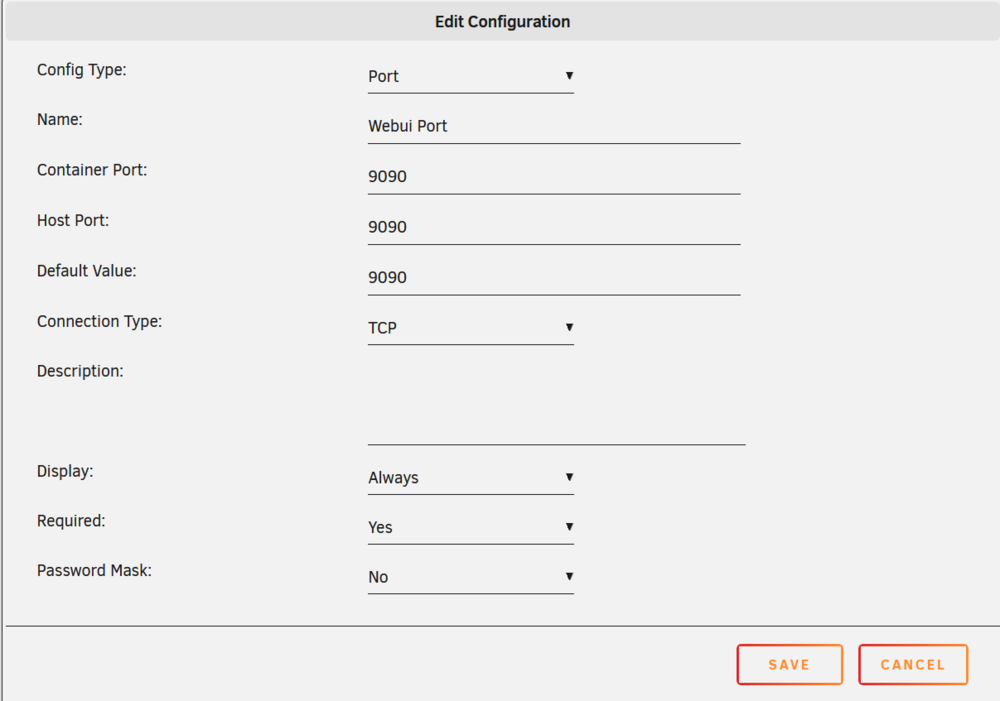
If anyone is still using this docker besides me, since there is official unraid docker in the community app plugin. the latest update i just pushed to this docker will require you to go back to port 9090, (this is to avoid a slow down in the dev ui on port 5173)

-
Ok made it for the training ui, port 1234 is the training ui, port 2345 is the tensorboard ui to watch progress of training my-Invoke-training.xml
-
So am I maybe just as test set it back to a empty userfiles under appdata, see if it still does it
-
that should be fine as my userfiles are on the array, not in appdata

-
Ok, try replacing the invokeai.yaml under userfiles with this file invokeai.yaml
-
double check all folders under the invokeai appdata folder are set to owner "nobody"
-
should still be able to add as a variable HUGGING_FACE_HUB_TOKEN
-
Trying to replicate this error, is this a fresh install? or after an update to to and install?
-
Still active, the github repo got changed a while back, you can update that in you xml file (its not in the community apps if that where you were looking), all info in first post should be still up to date
-
Just did a fresh install and i couldnt get it to give that error, I repushed docker image to docker hub see if that helps