





GumGum
Members
-
Joined
-
Last visited
-
I noticed that if you go to Main-> Flash -> Registration Key Manager (Just above the Flash Backup button), it shows if you are eligible for a replacement of the drive or not. I will just go ahead and try it and see. EDIT: Yup! That worked. The instructions here have helped as well. It took a few minutes for the system to detect the transfer of the license and let me start the server.
-
Hi folks, A few months ago, my original USB drive failed after 3 years of service. I replaced it with whichever USB I had at that time. It works fine, but I have noticed that its super slow and will mostly fail much sooner. I bought a "Kanguru" Flash drive and would like use that instead. I know that a USB can be replaced only once every year, so is there a way for me to replace it sooner? What is the process? Thanks!
-
The errors kept coming back and I was able to identify the root cause as a memory issue. Once I ran memtest on both modules, both showed multiple errors. Waiting for my replacements from GSkill. Hope that helps other folk who have faced something similar.
-
I started it up in maintenance mode and ran a 'check' on the cache pool. This showed that there were errors, so I ran a `--repair` on it. That seems to have fixed the issue. I then ran a scrub and there were no errors. Will try to reboot back into normal mode and see if everything works. If everything gets back to normal, I will most likely move everything off the cache and reformat it to ZFS.
-
I have attached the diagnostics file. I noticed that I could not start any docker container. Restarting docker failed. Docker won't start after reboot Logs indicate that cache has switch to read-only mode. Please help! apollo-diagnostics-20231221-2042.zip
-
It looks like it auto updated last night and now I am getting this error. Unable to find image 'stashapp/stash:latest' locally docker: Error response from daemon: manifest for stashapp/stash:latest not found: manifest unknown: manifest unknown. See 'docker run --help'. Looks like someone forgot to tag `latest` to the new version.
-
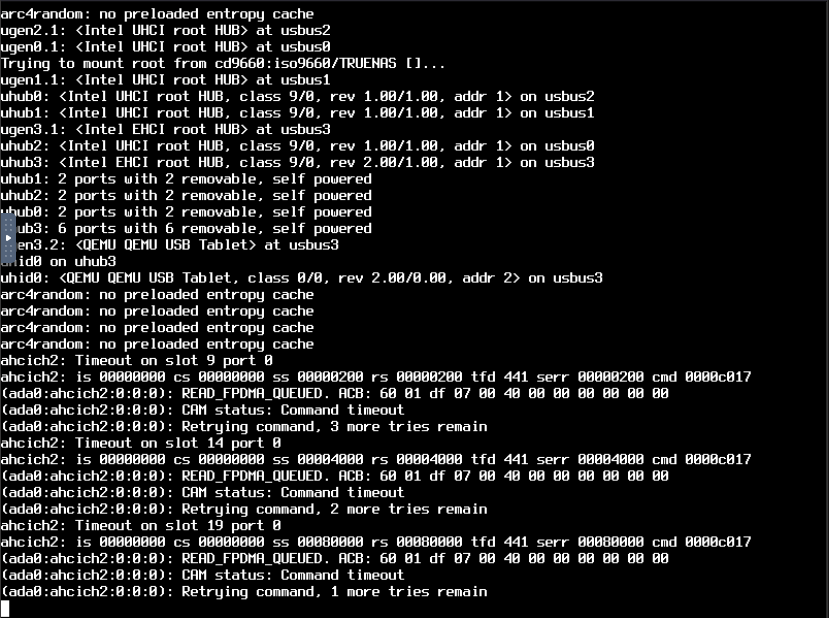
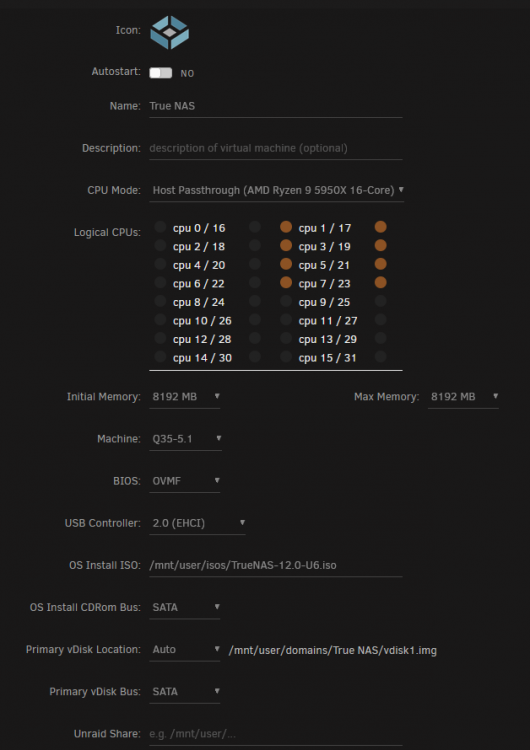
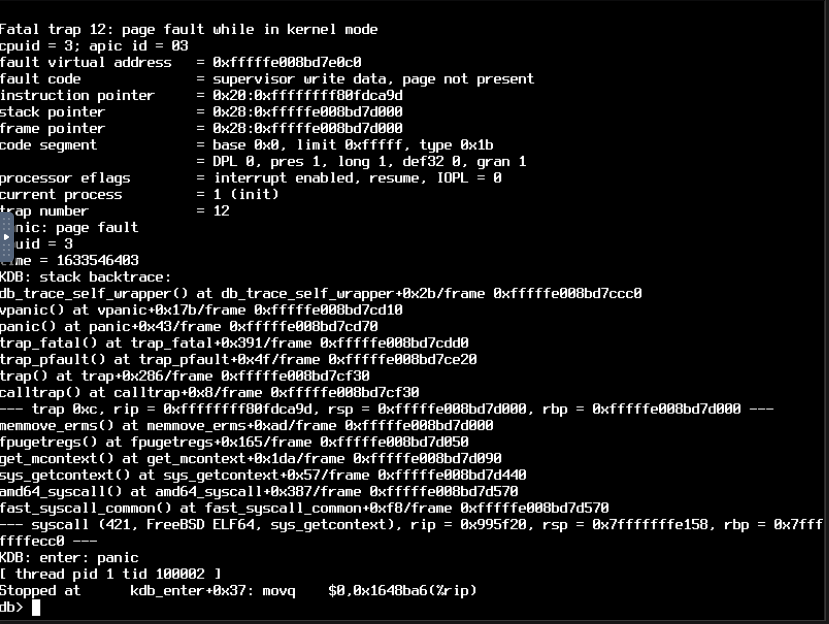
Love your videos SpaceInvaderOne. I want to pass the disks directly to the VM. But I am unable to get TrueNas to install. I followed your steps, but keep getting the below error. It keeps going to these retries and eventually fails saying there was a page fault.
-
I had the same issue today and had to delete the nvidia-driver folder from the plugins folder on the flash drive. That fixed the issue. More details here
-
I fixed it by deleting the nvidia-driver folder from the plugins directory in the Flash disk. After reboot, it downloaded and installed the latest version.
-
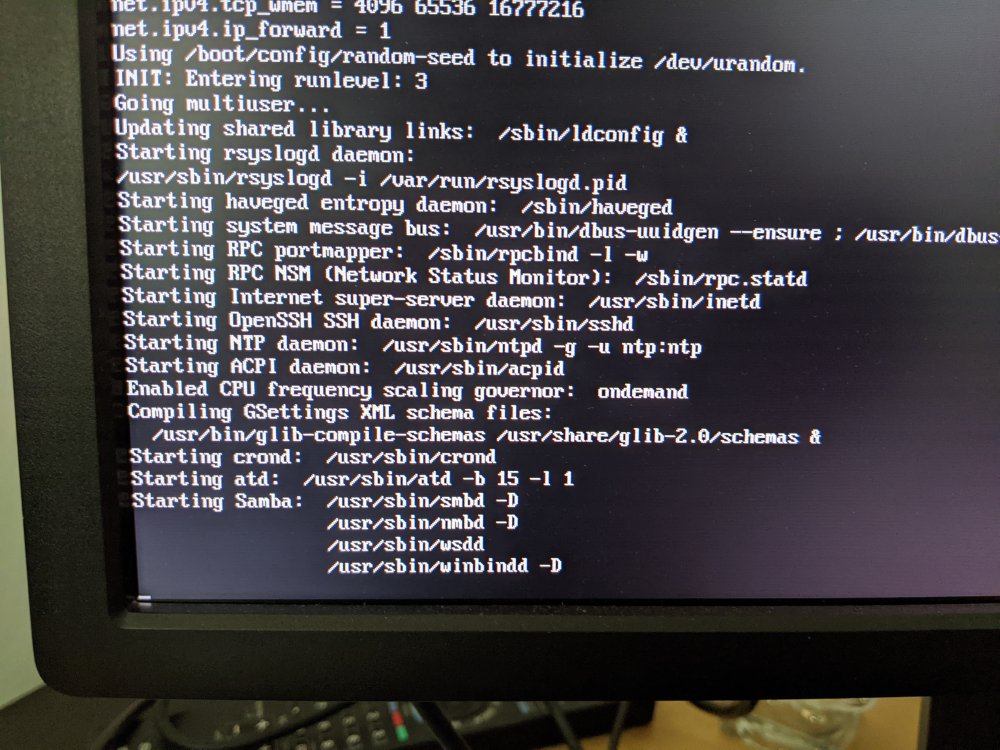
Yup. Tried again and same result. See screenshot.
-
Nope. Still gets stuck at the exact same place.
-
Stopped the array and disabled/enabled SMB. apollo-diagnostics-20210811-1628.zip
-
In safe mode I am able to access the webUI. And I have also able to start the Array up. But no plugins are running. I can see all my shares. When I boot in normal mode, I cannot get to the webUI and all I see on the console is the samba share starting part and it was like that all day today for about 4 hrs.
-
I rebooted by NAS today morning and it is currently stuck at the starting samba level. I tried again in safe mode and downloaded the diagnostics. But its still stuck. The only thing I can think of that changed was I got a notification that the nvidia driver was updated and figured the reboot would switch the driver to the latest. Not sure if that is the issue though. apollo-diagnostics-20210811-1432.zip


