





TexasUnraid
Members
-
Joined
-
Last visited
Everything posted by TexasUnraid
-
Odd your wallets are sticking. It took some time for mine to sync (and it hammered the CPU while doing it) but once synced it has not really had any issues staying synced.
-
odd, you would think someone would of caught that.
-
Yes, running all of them. I didn't notice any issues when I restarted it this morning.
-
ah, that is more like it. lol, makes sense.
-
interesting indeed, can't explain that.
-
that really strange, something is going on for sure, you should be winning regularly with that many plots on all of them.
-
Wow, that is not good but really odd you say that. I had almost the exact same thing happen a few weeks ago on one of my gaming machines. The cable went bad apparently and nearly started a fire at the back of the power supply. Thankfully I was home and smelled it and after a lot of searching touched the cable when looking for the power switch and nearly burned myself. Unplugged it, cleaned all the contacts and luckily with a new cable it is working fine again. Good since getting a replacement power supply would not of been easy in todays world.
-
The joys of not having enough power. My old house is really bad about popping circuits. I have had to add a bunch of extra circuits due to the daisy chaining they did when they build the house (an entire side of the house was on a single circut!). Just had a brownout a little bit ago myself and having to restart the blockchains now.
-
lol, my wins are worthless, you somehow managed to win a real xch that at least has some value!
-
These steps would lend themselves to a plugin very well and easily IMHO. The commands are quite simple and a plugin would just need to: setup the logging and let the user figure out the problem containers Let the user select the containers to tweak Have check boxes to add each of the above docker fixes to the docker templates Setup the ramdisk for appdata and calculate the size required so the user can know what to expect handle the rsync'ing of the appdata to and from the ramdisk at a user selected interval unmount the ramdisk at shutdown I have no clue how the plugin system works or even where to start but someone that knows what they are doing should be able to figure it out without a lot of hassle I would think.
-
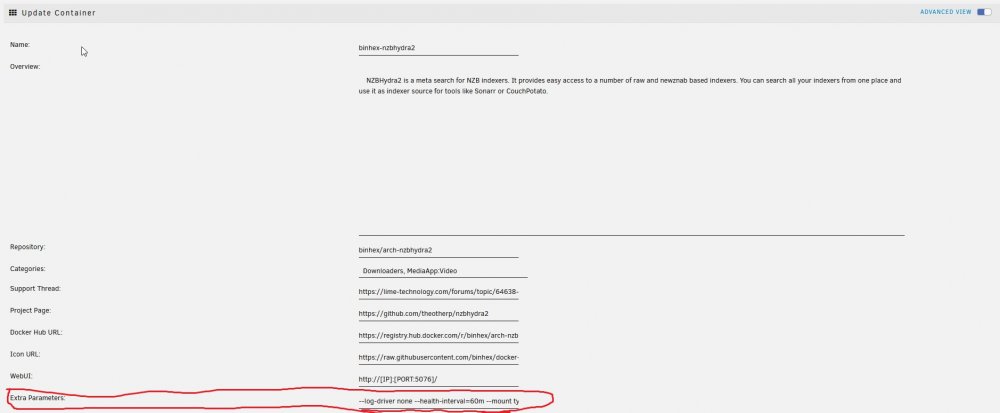
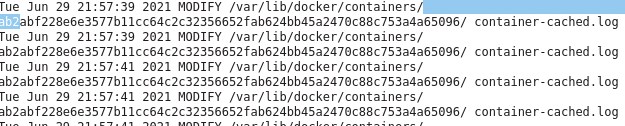
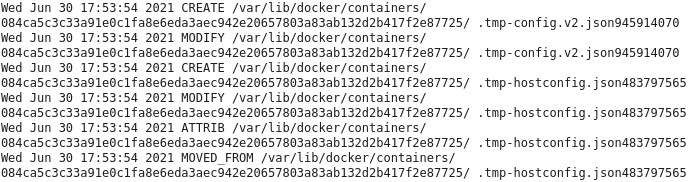
------------------------------------------------------------------------------------------------------------------ Part 1, unraid write amplification ------------------------------------------------------------------------------------------------------------------ To start out with, this is just a journal of my own experiences dealing with these writes, you do any and all of these commands at your own risk! Always make a backup of any data/drives you will be messing with. I would recommend getting a fresh backup of your cache drive and docker/appdata before starting any of this, just in case. Honestly it is a good excuse to update your complete backup. Ok, so as many have started to realize unraid had a serious issue with massively inflated writes to the cache SSD for the last few years. To the point it has killed a number of SSD's in a very short amount of time and used up a hefty amount of the life of many other drives. A lot of it was documented here: but instead of reading all that I am going to give you the results of all the testing that went on in that thread. My writes when starting this journey with far less dockers then I have now was around : ~200gb+/day IIRC (forgot exact numbers and lot my notes from that long ago but it was a LOT) The first step to reducing writes is to update to upraid 6.9+ and then move all the data off your cache SSD's to the array temporarily. You will then erase the cache pool using the built in erase option and reformat it when you restart the array. This fixes the core unraid side of the excessive writes. It fixes some partition and mounting issues with the filesystem. After that move the data back to the cache from the array. This dropped my writes to around ~75-85gb/day using a single BTRFS formatted drive with BTRFS image. Formatted as XFS with BTRFS image my writes dropped to ~25gb/day but you can't have redundancy then and has it's own issues. The excessive writes still persist as you see just to a lesser extent after this, the remaining writes will be dependent on what dockers you are using and is an issue with docker. ------------------------------------------------------------------------------------------------------------------ Part 2: Docker logs causing write inflation ------------------------------------------------------------------------------------------------------------------ All the docker commands I will put below need to be entered into the Extra Parameters: section of the docker template in unraid (you will need to go to the advanced view in the top right corner) To match up a long container ID with container in unraid GUI, simply use crtl+f to search the docker page in unraid for the container ID you see in the activity logs. Generally the first 3 or 4 characters are enough to find the right container. There are a few basic places writes come from with docker and each has it's own fix. ------------------------------------------------------------------------------------------------------------------ The first step is to run the inotifywait command from mgutt: This command will watch the internal docker image for writes and log them to /mnt/user/system/recentXXXXXX.txt inotifywait -e create,modify,attrib,moved_from,moved_to --timefmt %c --format '%T %_e %w %f' -mr /var/lib/docker > /mnt/user/system/recent_modified_files_$(date +"%Y%m%d_%H%M%S").txt An alternate and less effective method is to use this command to return the 100 most recently modified files in the docker image find /mnt/user/system/docker -type f -print0 | xargs -0 stat --format '%Y :%y %n' | sort -nr | cut -d: -f2- | head -n100 I chose to make a userscript with the first command and then use the "run in background" option so I don't have to keep the terminal open. To kill the inotifywait run this: pkill -xc inotifywait ------------------------------------------------------------------------------------------------------------------ For me the first and most common writes came from the internal logging mechanism in docker. It basically logs all the messages that would show up in the terminal if it was run directly and not in docker among other stuff. These writes will be to: /var/lib/docker/containers/{containerid}/{containerid}-json.log These are stopped by the following command while leaving the unriad GUI logs in tact: --log-driver syslog --log-opt syslog-address=udp://127.0.0.1:541 ------------------------------------------------------------------------------------------------------------------ The next type of writes are from: /var/lib/docker/containers/{containerid}/container-cached.log These are the logs you see when you click the log option in the unraid gui, these require a stronger version of the above command: --log-driver none This disables both the above type of logs. ------------------------------------------------------------------------------------------------------------------ Next up are the helthcheck logs, these are seen as writes to these files: /var/lib/docker/containers/{containerID}/.tmp-hostconfig.json{randomnumbers} /var/lib/docker/containers/{containerID}/.tmp-config.v2.json{randomnumbers} These are solved by either extending the health checks or disabling them. I prefer extending them to ~1 hour. --health-interval=60m They can be disabled completely with: --no-healthcheck ------------------------------------------------------------------------------------------------------------------ The next type of writes are internal logs from the program in the container to the /tmp directory of the container /var/lib/docker/containers/{containerid}/tmp/some type of log file Or /var/lib/docker/containers/{containerid}/var/tmp/some type of log file or /var/lib/docker/subvolumes/{Randomstring}/tmp/some type of log file This last one is hard to figure out as it can be difficult to connect the subvolume to a container, sometimes opening the log file in question can clue you into what docker it is for. This is a more advanced rabbit hole that was not really nesscary to chase in my case This is from a program thinking it is writing to a ramdrive but by default docker does not map a ramdrive to the /tmp directory. You can do it yourself easily though with the following command (can be adapted to other dirs and use cases as well). This command creates a ramdrive in /tmp with full read/write permissions and a max size of 256mb (much larger then needed in most cases but it only uses ram as needed so should not hurt anything in most cases, you can make it smaller as well): --mount type=tmpfs,destination=/tmp,tmpfs-mode=1777,tmpfs-size=256000000 And thats pretty much it for properly created containers. Doing these commands to the worst offending containers dropped my writes down to around ~40gb/day I left a few containers logs in tact as I have needed them a few times. ------------------------------------------------------------------------------------------------------------------ Part 3: Dealing with appdata writes ------------------------------------------------------------------------------------------------------------------ After this things get a bit more complicated. Each container will behave differently and you will kinda have to wing it. I saw random writes to various files in containers, sometimes you could change the logging folder in the program to the /tmp folder and add a ramdisk to the container. Others you cap map another ramdrive to some other log folder and still others can use other workarounds unique to that specific program. It takes some know-how and digging to fix writes internally in the dockers. The alternate and universal option (and required option in many cases) is to simply copy the appdata folder to a ramdisk on unraid and sync it back to the SSD hourly. This works with any docker and vastly reduces writes from logs / constant database access. Like above first you need to log the appdata folder to see where the writes come from: This command will watch the appdata folder for writes and log them to /mnt/user/system/appdata_recentXXXXXX.txt inotifywait -e create,modify,attrib,moved_from,moved_to --timefmt %c --format '%T %_e %w %f' -mr /mnt/user/appdata/*[!ramdisk] > /mnt/user/system/appdata_recent_modified_files_$(date +"%Y%m%d_%H%M%S").txt From here it will take some detective work to find the misbehaving containers and see what and where they are writing to. In my case all the *arr's (sonarr etc) were causing a lot of writes and there was nothing that could be done internally to fix it. After figuring out which appdata needs to move to the ramdisk is to create the ramdisk itself and then copy the appdata into it from the SSD. First create a folder in /mnt/cache/appdata/, Very important to create the folder on the drive itself and NOT in /user. mkdir /mnt/cache/appdata/appramdisk chmod 777 /mnt/cache/appdata/appramdisk after this I use a very basic user script that is set to "run at array start", adjust the max size of the disk to suite your use case, it only uses ram as needed so there is not a lot of harm in making it too big as long as it leaves enough room for everything else to run. You will need to customize the rsync commands with the folders you want to copy naturally. #!/bin/bash #description=This script runs at the start of the array creating the appdata ramdisk and rsyncing the data into it echo ---------------------------------Create ramdisk for appdata---------------------------------- mount -vt tmpfs -o size=8G appramdisk /mnt/cache/appdata/appramdisk echo ---------------------------------rsync to ramdisk in appdata---------------------------------- rsync -ah --stats --delete /mnt/user/appdata/binhex-qbittorrentvpn /mnt/user/appdata/appramdisk rsync -ah --stats --delete /mnt/user/appdata/binhex-nzbhydra2 /mnt/user/appdata/appramdisk rsync -ah --stats --delete /mnt/user/appdata/*arr /mnt/user/appdata/appramdisk I then have a separate script set to run hourly that rsync's everything in the ramdisk back to the SSD, it only copied the data that was changed to save writes: #!/bin/bash #description=This script syncs the ramdisk appdata back to the ssd rsync -ahv --progress --delete /mnt/user/appdata/appramdisk/* /mnt/user/appdata/ You will also need to apply a delay to the first docker container that is set to autostart in the unraid GUI (enable advanced view, right side of the container). Preferably put a container that is not being run out of the ramdisk first and put the delay on it as the delay takes effect after the selected container has started. The delay needs to be long enough for the ramdisk rsync to complete. UPDATE THE DOCKER APPDATA FOLDER TO USE THE NEW "appramdisk" copy of the appdata or it will just keep writing to the cache. Now for a clean shutdown, I created a "stop" file on the USB drive at /boot/config. It is called first thing when you click shutdown/reboot in the GUI and the rest of the shutdown will wait until it is finished. touch /boot/config/stop In the stop file I decided to simply redirect it to a script in user scripts called "Run at Shutdown" to make it easier to manage. #!/bin/bash #Runs the user script "Run at Shutdown" during shutdown or reboot. #it is called before anything else during the shutdown process # Invoke 'Run at Shutdown' script if present if [ -f /boot/config/plugins/user.scripts/scripts/Run\ at\ Shutdown/script ]; then echo "Preparing Run at Shutdown script" cp /boot/config/plugins/user.scripts/scripts/Run\ at\ Shutdown/script /var/tmp/shutdown chmod +x /var/tmp/shutdown logger Starting Run at Shutdown script /var/tmp/shutdown fi The run at shutdown script itself first stops all running docker containers so they can close out open files. It then rsyncs the appramdisk back to the SSD before clearing the ramdisk and unmounting it. #!/bin/bash #description=This script runs first thing at shutdown or reboot and handles rsyncing appramdisk and unmounting it. logger Stopping Dockers docker stop $(docker ps -q) logger Dockers stopped logger Started appramdisk rsync rsync -ah --stats --delete /mnt/user/appdata/appramdisk/* /mnt/user/appdata/ | logger logger rsync finished logger clearing appramdisk data rm -r /mnt/user/appdata/appramdisk/* | logger logger unmounting appramdisk umount -v appramdisk | logger And thats it, seems to be working good, no hang-ups when rebooting and everything is working automatically. Risks are minimal for these containers as worst case I loose an hours worth of data from sonarr, big deal. I would not use this on a container that has data you can't afford to loose an hours worth of. The writes are finally low enough that I would be ok putting appdata and docker back onto my main SSD's with redundancy instead of the single piece of junk drive I am using now (which has gone from ~98% life to 69% in the last year doing nothing but handling docker on unraid) I am really impressed with how well this is working. So to recap: unraid 6.8 > BTRFS image > BTRFS formatted cache = ~200gb++/day unraid 6.9 > BTRFS image > separate unprotected XFS SSD everything stock = ~25GB/day unraid 6.9 > BTRFS image > BTRFS SSD everything stock = 75-85GB/day unraid 6.9 > Docker Folder > BTRFS SSD everything stock = ~60gb/day unraid 6.9 > BTRFS image > BTRFS SSD > Disabled the low hanging fruit docker json logs = ~48gb/day unraid 6.9 > BTRFS image > BTRFS SSD > Disabled all misbehaving docker json logs for running containers except those I want to see + added ramdrives to /tmp in containers that do internal logging = ~30gb/day unraid 6.9 > BTRFS image > BTRFS SSD > Disabled all misbehaving docker json logs for running containers except those I want to see + added ramdrives to /tmp in containers that do internal logging + moved appdata for the *arr's and qbittorrent to a ramdisk with hourly rsyncs to the ssd appdata = ~10-12gb/day Since most of the writes are large writes from the rsync, there is very little write amplification which vastly improves the total writes from the day even though that is possibly more raw data being written to the drive. I dont use plex but it and database dockers are known for being FAR worse then what I run in writes. People were regularly seeing hundreds of GB in writes a day from these alone. They could be vastly improved with the above commands.




-
What are the other 2 blockchains you are running? Might as well add them as well. I just checked and I am now up to ~8 wins on each of flax, chiagreen and spare.
-
Correct, start them one at a time and let them finish loading and start farming before starting the next. The start chia last. Took me 30 mins to get the all started on my system lol.
-
That is VERY odd. Are you starting the alt coins first before the main chia? I heard that there can be issues if done the other way.
-
Are you sure the other coins are farming properly? I am still winning on the other coins regularly, won at least 5-6 times on each of them last I checked. I only have 33tb of plots currently as well. Might be adding 4x4tb soon with some drives I am juggling around.
-
Odd the fans spin up more with the cover on, normally it is the other way around.
-
100w for all that is not bad at all. Not really a fan of the 1u form factor but it does work good.
-
Yeah, that doesn't surprise me, unraid is good in some ways and not so good in others. I still use it mostly due to the GUI interface for most things and the ability to store data on individual disks completely separate. It has some weird interactions with ram usage and disk usage though for sure.
-
First check the memory usage and make sure it is not running out of memory. second, don't use the stock ramdrive, I would create a custom ramdrive for this. It is quite simple in linux. First create a new directory in /mnt called ramdrive (might need to chmod 777 it) and then run the following command: mount -t tmpfs -o size=110G chiaramdisk /mnt/ramdisk Obviously you can change the size with the size argument. I had no issues with my setup as long as it didn't run out of memory, if it ran out, then it had issues but I had limits in place to keep a complete shutdown from happening.
-
I saw some 10tb sas drives for $10/tb just before chia I was seriously considering grabbing but went with the 14tb shuckable drives for $15/tb instead. I have not used mergerfs myself but heard it works good, I just went with unraid instead. For those extra disks, could setup an external jbod, depends how the chassis is setup but in my supermicro chassis I can simply disconnect the mobo so only the backplane is powered and then use a long sas cable to connect the backplane to my other server. Several options for it assuming you can just power the backplane and it doesn't use much power.
-
lol, you sound like me, I went into my 3x craigslist server deal with full intensions to sell 2 of them to pay for the 3rd. Next thing you know I have justified keeping all of them and then buying more stuff I "needed" to make them viable. On the plus side I now have a good home media server and a complete backup just in case. Along with a test server for whatever (such as plotting). Then I saw another deal for a 24 bay chassis and just had to snap it up, tossed my old consumer server gear in it and it is running the farm since it is the most power efficient. Truth is that only the farm and my main server are even on most of the time and they are both overkill for what they are doing. The one thing I can never seem to get even enough of though are drives, I keep getting more and then I somehow keep filling them up lol. Don't even have a complete backup right now, just the irreplaceable stuff.
-
wow, nice a chia block in todays netspace is really impressive! Really strange that you are not winning any on the others, I have won on all the others a few times now.
-
True, I have a few drives like that as well but I also tend to notice that around the ~40-50k hour mark is where I have started to see issues in the past. Makes sense when you consider that 42k hours matches a 5 year warranty.
-
lol, I spent an hour last night trying to get everything going again after adding some new drives and restarting the system. Kept not wanting to add the new drives and then one would fail and I would have to stop all of them and restart the process. That said should have the final plots for my old drives finished in the next hour. I have 3x 14tb drives sitting here but just not sure I want to put a bunch of hours on them needlessly since these will be holding my important data once I get around to swapping drives in my main server.
-
lol, didn't even think about the plots being part of the price.



