Hammerfest
Members
-
Joined
-
Last visited
-
I am guessing the best option is to just NOT use BTRFS for VM/Database (small writes) at all which makes it a pretty crappy file system if its got no way to handle a common operation. nocow has been the only way to get VM's to function without severe performance penalty's, its caused me data loss (using cow/btrfs) because 20 camera's with 24/7 recording at 1080p15 with decent bitrates bring VM's to a screeching halt, not to mention DB's stored and accessed living on a cow volume I HAD been using nocow without issue for the longest time, but when I reinstalled I wanted to mess with zfs and setup a secondary host system for the workload and have been annoyed that the file systems are so crippled. EDIT: if someone has an "optimize your btrfs for vm/database use", id appreciate a pointer, because google has no results worth a damn
-
I think I may have found the issue, well, at least a pointer! When I check with a 3rd party remote connect software, I noticed the resolution is non existent (like no option to chose even), and when i checked the device manager the display adapter is listed as in error and stopped "because of an error" under the red had device So something in unraid/qemu has changed which is nuking display capability's EDIT: some more info: this is with no pass-through GPU, using the driver disk loaded, driver says "Red Hat QXL Controller" and is from 2020, I know I created new VM's for lab testing in late 2020 early 2021 and I updated the driver disk so its not gonna be the drivers (alone at least), something outside that has changed
-
What exactly would cause noVNC to fall over and die on reboot of a VM and require being fully stopped before it started working again (restart does not resolve though VM does indeed reboot as noted in logs when checked after stop/start)? A fresh install or image of a Windows 11 or 10 system, virtio drivers installed, I hit restart it DOES the restart, but noVNC just shows a black screen or sometimes the last message before the reboot (restarting, stopping services, etc). Outside of changing the drive location and ram, I left ALL the rest of the settings as unraid defaults. I have tried with OLDER virtio drivers, I have tried with different vm storage locations (NVMe/HDD, on array, on unassigned device), changed from raw to qcow2 for the storage, there are settings I have not touched such as BIOS and the like, again, I chose the Windows 11 option after hitting Add VM, and just changed disk location and ram size. This is now occurring on the latest unraid when it was not from my prior install in 2019, at some point probably past 6.9 but I dont recall for sure. It used to be a MIXTURE of noVNC unable to connect AND the VM would sit at 100% CPU, now it seems to just be noVNC is broken. I nuked the system to resolve that and some other issues I thought was my install, alas, the problem remains I have looked through many threads here, and it seems to be a common issue that's occurring now, it seemed to exclude passthrough GPU folks but I just found one as well so thats not it. Some mentioned virtiofs but I have not touched that, again, add vm > windows 11 > ram size > disk location > create > install windows/drivers > restart (sometimes works the first time, then keels over after settling down) The good thing is that at least it responds to shutdown controls from the dashboard/vm section unlike before when some would stick at 100%
-
"As mentioned, qemu/kvm can emulate a USB device." Not seeing anything mentioned about emulating a USB device in the prior replies. Never found a resolution, everyone just assumes an internet connection is a given when it is in-fact not. I was finally able to make it local and just plugged in a blank usb drive then used an addon to attach it to the VM and Docker's that I needed to use it for. Real shame unraid has no feature/function like that, is not limited to utilization in a VM
-
sorry for the late reply, had to take a trip out of town and did not see this at all i have made some config changes, so hopefully it doesnt sully what you where looking for, please find the requested diag in our convo
-
refresh was done of course, no visual change noted
-
did not even have to use the refresh, soon as it was installed, boom, they all show up ❤️
-
HP DL380 Gen9 with only drive bays, none of the drives where physically removed at all during any of the testing mentioned
-
Sorry, guess I was not really clear I guess, before I wiped it, I had 2 drives out of the array, only 1 of them showed in unassigned devices (plugin), but showed up fine when plugin uninstalled. When I setup my unraid back in 2020~, the first thing I always did was install most of your tools, same hardware, it showed all devices just fine, i only noticed it with the upgrade to 6.12 when i was trying to troubleshoot other issues. still, the important part is, without the plugin, unassigned devices shows them all, with the plugin, it shows random selection of devices, if i add a drive to an array or pool unassinged devices plugin will flash in/out and sometimes display a few more, and sometimes a few less, this is all regardless of the array start/stop state EDIT: Further testing, added flash drive to array (zfs pool workaround), started array, drives in UD plugin changed but still not all of them, stopped it, added a regular HDD, started, drives in UD plugin again changed, stopped added a second, again drives shown in plugin changed, added two more, changed again, now I at least see one of my SSD's but not both "I don't believe UD is keeping up with the Unraid changes in this condition because UD thinks some disks are still assigned to the array" this is from a nuked state, drives where secure wiped and have not been setup at all, USB was also secure erased, nothing i can find is from prior installation. EDIT2: drunk testing, apparently, hitting the "refresh disks and configuration" button for the plugin adds the disks back one at a time each refresh, AND, it survives a reboot... diag attached in-case it helps tell you anything helpful in fixing the plugin gotta set it up for use now, if problem persists in the future, will circle back, TY TY for the great tools making unraid greater! drunkenUDdiscovery-diagnostics-20240417-2354.zip
-
Ya, its really weird, and when i add some devices to the array or a pool it magically has other drives pop up in the unassigned devices section, tried different browsers as I mainline firefox due to features it has that others don't, but same behavior. Will edit this in a few min with the diags for both withoutUDplug-diagnostics-20240417-1935.zip withUDplug-diagnostics-20240417-1934.zip
-
Sure, all I am doing is removing and adding the add-on. Will do it when im able this evening.
-
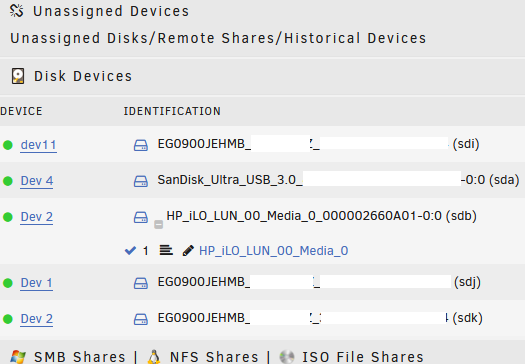
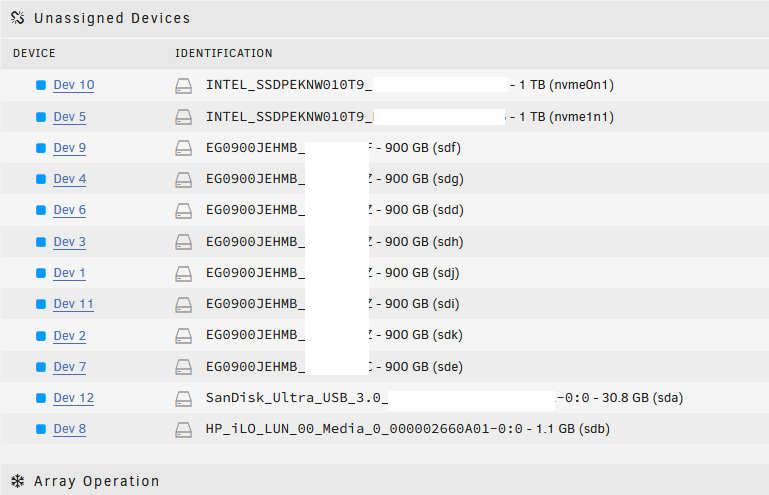
If someone has already reported this issue, then my use of search terms with the forum's search feature has failed me. When using Unassigned Devices, not all unassigned devices show up, this seems to be with both .9 and .10 I was already preparing to totally redo my system due to VM issues (VM's not wanting to restart, they just hang and use up CPU even from fresh install with only viostor driver), so thought it may have something to do with but alas, on a totally fresh install, the issue remains 2 pictures attached, one with the default unassigned devices listing, showing all my drives properly, the second, with unassigned devices add-on installed.
-
First chain that comes up with a google search. You ever get it work as its not for me. Using a Synology router here so different there, but same issue, UPnP on the Unraid box is not workin. Options are set, confirmed UPnP works on other servers/systems, tested manual UPnP probing from a VM as well.
-
It is actually maddening that they allow you to select Windows 11 as an option for making a VM yet it doesn't work out of box. Windows 11 issues because secure boot is disabled and cannot be enabled without jumping through hoops. Just remove the Windows 11 option, save lots of headache, I can do custom all day, but I EXPECT an option to work if its presented.
-
Logged in today as its been the first time ive been free of non-work nonsense. Shut down all my VM's, did the update from 6.12.3 to 6.12.4. Upon reboot I went to the VM tab to start my VM's back up and am greeted with: "Libvirt Service failed to start." In logs I see: Oct 8 17:11:24 X root: /usr/sbin/libvirtd: error: Unable to initialize network sockets. Check /var/log/messages or run without --daemon for more info. Also: 2023-10-08 22:11:24.912+0000: 13999: error : virNetSocketNewListenUNIX:510 : Failed to bind socket to '/run/libvirt/libvirt-sock': Address already in use Nothing has changed for the past few months, nothing network related seems incorrect.