





gareth_iowc
Members
-
Joined
-
Last visited
Everything posted by gareth_iowc
-
Hi all i can't grab zoneminder root@localhost:# /usr/local/emhttp/plugins/dynamix.docker.manager/scripts/docker run -d --name='Zoneminder' --net='bridge' --privileged=true -e TZ="Europe/London" -e HOST_OS="Unraid" -e 'PUID'='99' -e 'PGID'='100' -e 'SHMEM'='50%' -p '8443:443/tcp' -p '9000:9000/tcp' -v '/mnt/user/appdata/Zoneminder':'/config':'rw' -v '/mnt/user/appdata/Zoneminder/data':'/var/cache/zoneminder':'rw' --log-opt max-size=50m --log-opt max-file=1 'dlandon/zoneminder' Unable to find image 'dlandon/zoneminder:latest' locally /usr/bin/docker: Error response from daemon: Get https://registry-1.docker.io/v2/: dial tcp: lookup registry-1.docker.io on 192.168.1.21:53: read udp 192.168.1.14:43048->192.168.1.21:53: i/o timeout. See '/usr/bin/docker run --help'. The command failed. registry-1.docker.io is not reachable. tested with isitdown as well
-
ah ok. sorry where would these be found?
-
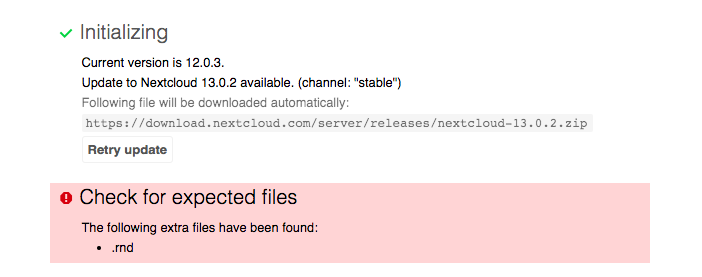
Has anyone had this problem before? it won't let me update.
-
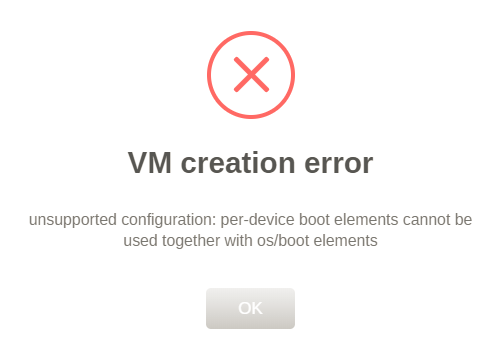
@gridrunner sorry about the osk key i totally forgot about it. thank you for your help i really appreciate it. so i've made all of the changes as suggested other than - <boot dev='hd'/> if i add that line i get the following - but without that line it's still not completing the boot
-
@gridrunner latest xml - <domain type='kvm' id='19' xmlns:qemu='http://libvirt.org/schemas/domain/qemu/1.0'> <name>OSX High Sierra</name> <uuid>c6a1ef6f-3cc9-4545-d81e-a4585879fa85</uuid> <metadata> <vmtemplate xmlns="unraid" name="Linux" icon="linux.png" os="linux"/> </metadata> <memory unit='KiB'>4194304</memory> <currentMemory unit='KiB'>4194304</currentMemory> <memoryBacking> <nosharepages/> </memoryBacking> <vcpu placement='static'>2</vcpu> <cputune> <vcpupin vcpu='0' cpuset='0'/> </cputune> <resource> <partition>/machine</partition> </resource> <os> <type arch='x86_64' machine='pc-q35-2.9'>hvm</type> <loader readonly='yes' type='pflash'>/usr/share/qemu/ovmf-x64/OVMF_CODE-pure-efi.fd</loader> <nvram>/etc/libvirt/qemu/nvram/c6a1ef6f-3cc9-4545-d81e-a4585879fa85_VARS-pure-efi.fd</nvram> </os> <features> <acpi/> <apic/> </features> <cpu mode='host-passthrough' check='none'/> <clock offset='utc'> <timer name='rtc' tickpolicy='catchup'/> <timer name='pit' tickpolicy='delay'/> <timer name='hpet' present='no'/> </clock> <on_poweroff>destroy</on_poweroff> <on_reboot>restart</on_reboot> <on_crash>restart</on_crash> <devices> <emulator>/usr/local/sbin/qemu</emulator> <disk type='file' device='disk'> <driver name='qemu' type='raw' cache='writeback'/> <source file='/mnt/user/VM/ISO/highsierra.img'/> <backingStore/> <target dev='hdc' bus='sata'/> <boot order='1'/> <alias name='sata0-0-2'/> <address type='drive' controller='0' bus='0' target='0' unit='2'/> </disk> <disk type='file' device='disk'> <driver name='qemu' type='raw' cache='writeback'/> <source file='/mnt/user/VM/Storage/OSX High Sierra/vdisk2.img'/> <backingStore/> <target dev='hdd' bus='sata'/> <alias name='sata0-0-3'/> <address type='drive' controller='0' bus='0' target='0' unit='3'/> </disk> <controller type='usb' index='0' model='ich9-ehci1'> <alias name='usb'/> <address type='pci' domain='0x0000' bus='0x00' slot='0x07' function='0x7'/> </controller> <controller type='usb' index='0' model='ich9-uhci1'> <alias name='usb'/> <master startport='0'/> <address type='pci' domain='0x0000' bus='0x00' slot='0x07' function='0x0' multifunction='on'/> </controller> <controller type='usb' index='0' model='ich9-uhci2'> <alias name='usb'/> <master startport='2'/> <address type='pci' domain='0x0000' bus='0x00' slot='0x07' function='0x1'/> </controller> <controller type='usb' index='0' model='ich9-uhci3'> <alias name='usb'/> <master startport='4'/> <address type='pci' domain='0x0000' bus='0x00' slot='0x07' function='0x2'/> </controller> <controller type='sata' index='0'> <alias name='ide'/> <address type='pci' domain='0x0000' bus='0x00' slot='0x1f' function='0x2'/> </controller> <controller type='pci' index='0' model='pcie-root'> <alias name='pcie.0'/> </controller> <controller type='pci' index='1' model='pcie-root-port'> <model name='pcie-root-port'/> <target chassis='1' port='0x10'/> <alias name='pci.1'/> <address type='pci' domain='0x0000' bus='0x00' slot='0x02' function='0x0' multifunction='on'/> </controller> <controller type='pci' index='2' model='pcie-root-port'> <model name='pcie-root-port'/> <target chassis='2' port='0x11'/> <alias name='pci.2'/> <address type='pci' domain='0x0000' bus='0x00' slot='0x02' function='0x1'/> </controller> <controller type='pci' index='3' model='pcie-root-port'> <model name='pcie-root-port'/> <target chassis='3' port='0x12'/> <alias name='pci.3'/> <address type='pci' domain='0x0000' bus='0x00' slot='0x02' function='0x2'/> </controller> <controller type='pci' index='4' model='pcie-root-port'> <model name='pcie-root-port'/> <target chassis='4' port='0x13'/> <alias name='pci.4'/> <address type='pci' domain='0x0000' bus='0x00' slot='0x02' function='0x3'/> </controller> <controller type='virtio-serial' index='0'> <alias name='virtio-serial0'/> <address type='pci' domain='0x0000' bus='0x02' slot='0x00' function='0x0'/> </controller> <interface type='bridge'> <mac address='52:54:00:f7:78:4f'/> <source bridge='br0'/> <target dev='vnet1'/> <model type='virtio'/> <alias name='net0'/> <address type='pci' domain='0x0000' bus='0x01' slot='0x00' function='0x0'/> </interface> <serial type='pty'> <source path='/dev/pts/1'/> <target port='0'/> <alias name='serial0'/> </serial> <console type='pty' tty='/dev/pts/1'> <source path='/dev/pts/1'/> <target type='serial' port='0'/> <alias name='serial0'/> </console> <channel type='unix'> <source mode='bind' path='/var/lib/libvirt/qemu/channel/target/domain-19-OSX High Sierra/org.qemu.guest_agent.0'/> <target type='virtio' name='org.qemu.guest_agent.0' state='disconnected'/> <alias name='channel0'/> <address type='virtio-serial' controller='0' bus='0' port='1'/> </channel> <input type='tablet' bus='usb'> <alias name='input0'/> <address type='usb' bus='0' port='1'/> </input> <input type='mouse' bus='ps2'> <alias name='input1'/> </input> <input type='keyboard' bus='ps2'> <alias name='input2'/> </input> <graphics type='vnc' port='5901' autoport='yes' websocket='5701' listen='0.0.0.0' keymap='en-us'> <listen type='address' address='0.0.0.0'/> </graphics> <video> <model type='qxl' ram='65536' vram='65536' vgamem='16384' heads='1' primary='yes'/> <alias name='video0'/> <address type='pci' domain='0x0000' bus='0x00' slot='0x01' function='0x0'/> </video> <memballoon model='virtio'> <alias name='balloon0'/> <address type='pci' domain='0x0000' bus='0x03' slot='0x00' function='0x0'/> </memballoon> </devices> <seclabel type='dynamic' model='dac' relabel='yes'> <label>+0:+100</label> <imagelabel>+0:+100</imagelabel> </seclabel> <qemu:commandline> <qemu:arg value='-usb'/> <qemu:arg value='-device'/> <qemu:arg value='usb-mouse,bus=usb-bus.0'/> <qemu:arg value='-device'/> <qemu:arg value='usb-kbd,bus=usb-bus.0'/> <qemu:arg value='-device'/> <qemu:arg value='isa-applesmc,osk=xxxxxxx'/> <qemu:arg value='-smbios'/> <qemu:arg value='type=2'/> <qemu:arg value='-cpu'/> <qemu:arg value='Penryn,vendor=GenuineIntel,kvm=on,+invtsc,vmware-cpuid-freq=on,'/> </qemu:commandline> </domain> host spec - HP Microserver gen 8 CPU: Intel® Core™ i5-3470T CPU @ 2.90GHz HVM: Enabled IOMMU: Enabled Cache: 64 kB, 512 kB, 3072 kB Memory: 16 GB Single-bit ECC (max. installable capacity 16 GB) Network: eth0: 1000 Mb/s, full duplex, mtu 1500 eth1: not connected Kernel: Linux 4.14.13-unRAID x86_64
-
@Yardon ok thanks I’ll try that. how do I set the igfx option?
-
I’m using vnc. Don’t intend to output to gfx card :)
-
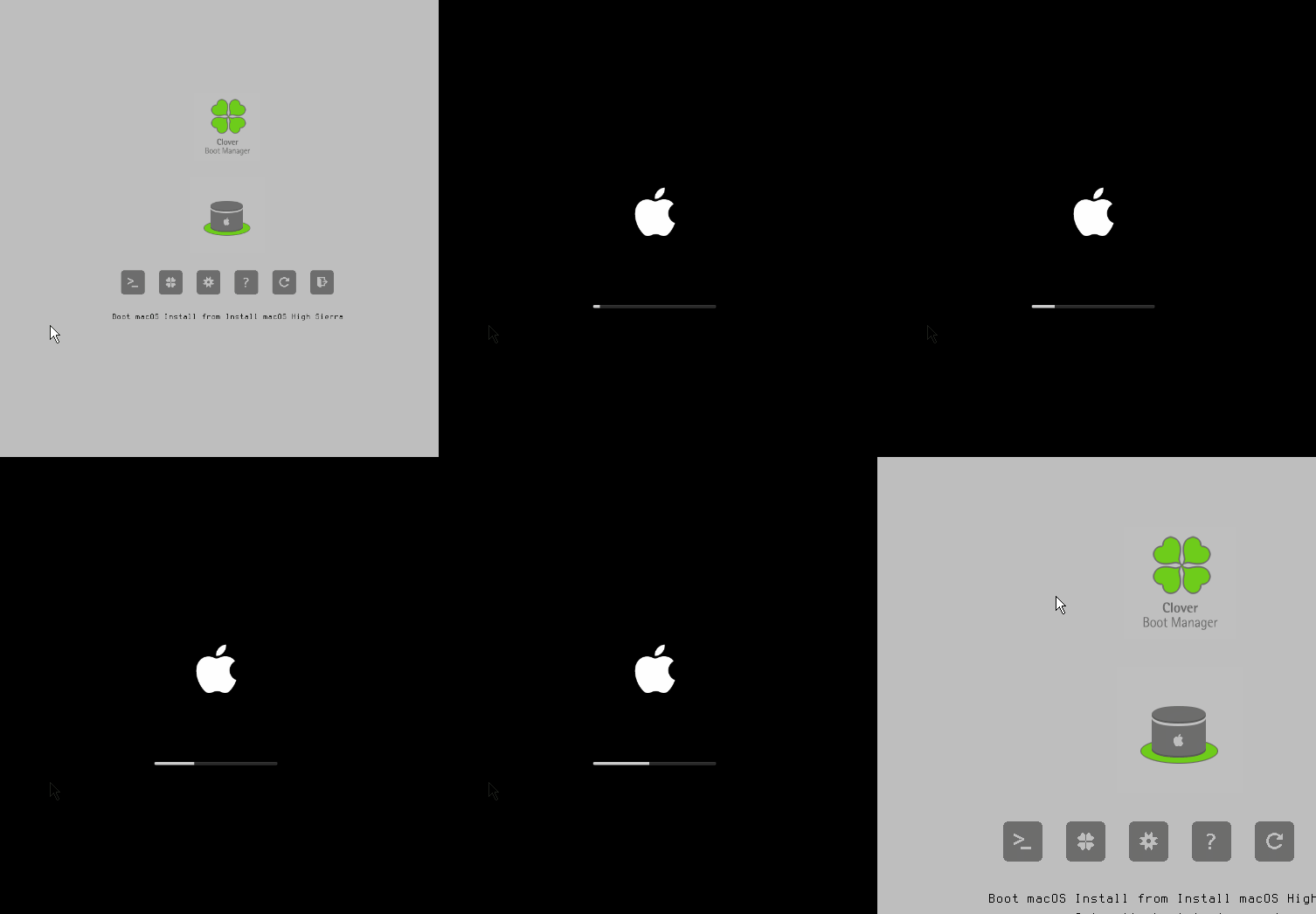
@gridrunner Thank you very much your help has worked. so now i get the apple logo and the loading bar is displayed for some time as it's loading. It gets just shy of halfway and then re-boots. would it be best to try and get it into -v so see where it reboots? i can't use the boot commands on clover as it hangs
-
i followed the space invader guide - and used the files he linked to - https://www.dropbox.com/s/zq4020mly9m... form the guide i added this into the xml file - <qemu:commandline> <qemu:arg value='-usb'/> <qemu:arg value='-device'/> <qemu:arg value='usb-mouse,bus=usb-bus.0'/> <qemu:arg value='-device'/> <qemu:arg value='usb-kbd,bus=usb-bus.0'/> <qemu:arg value='-smbios'/> <qemu:arg value='type=2'/> <qemu:arg value='-cpu'/> <qemu:arg value='Penryn,vendor=GenuineIntel,kvm=on,+invtsc,vmware-cpuid-freq=on,'/> </qemu:commandline> and - <model type='e1000-82545em'/> <address type='pci' domain='0x0000' bus='0x02' slot='0x00' function='0x0'/> i have also tried 2 and 4 core. stripped it back to one core trying everything i could think of
-
post updated
-
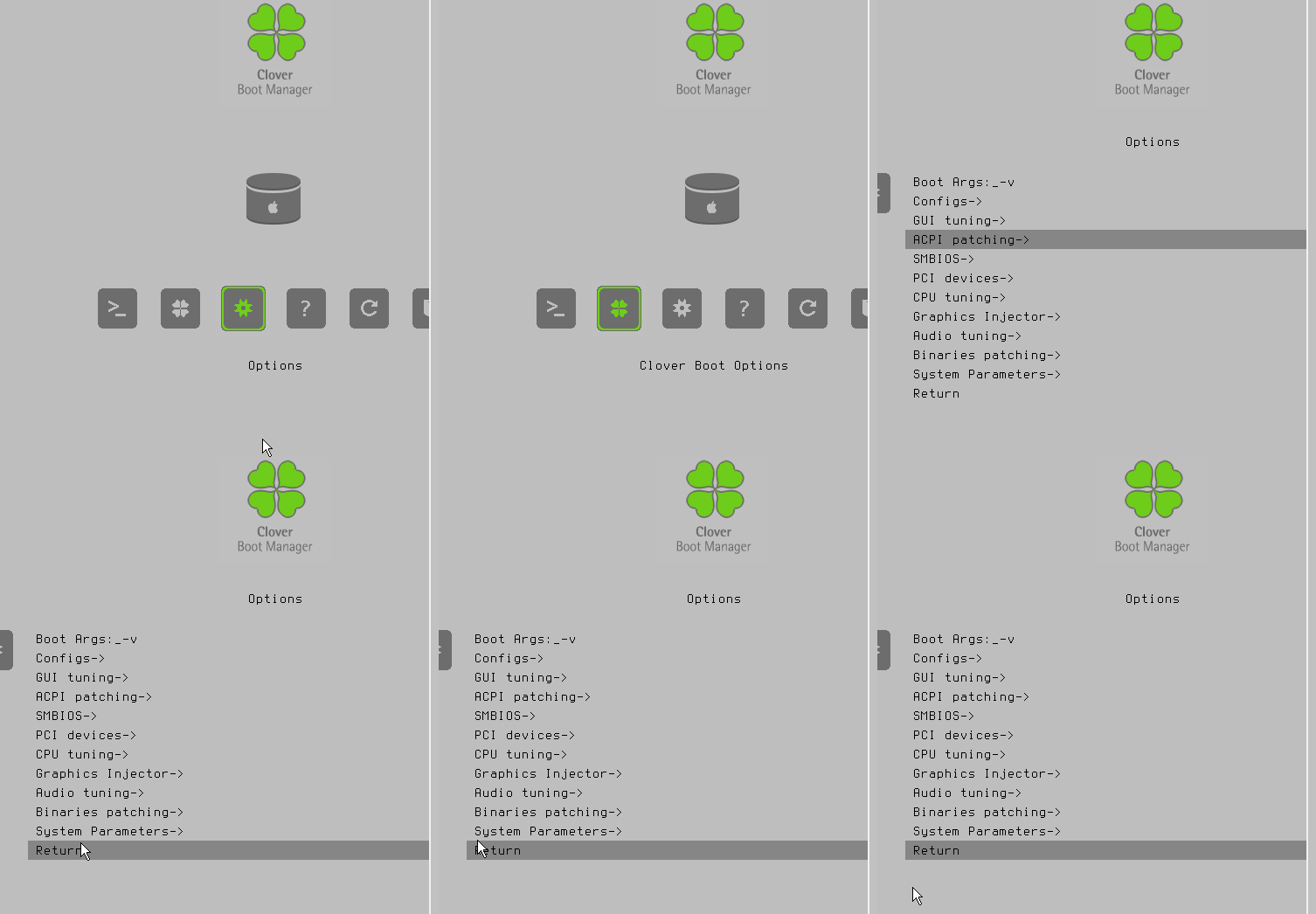
hi all, so i've followed the video and have the vm booted into the clover efi bootloader. When trying to get to the osx installer i get a black screen with the apple logo and then it reboots. If i try to set a boot argument clover efi hangs and won't let me return to the main menu. i'm using cliver 2.4k_r4458 i can exit the boot options as long as I've entered no value. if i have it just crashes. My XML: <domain type='kvm' id='13'> <name>OSX High Sierra</name> <uuid>c6a1ef6f-3cc9-4545-d81e-a4585879fa85</uuid> <metadata> <vmtemplate xmlns="unraid" name="Linux" icon="linux.png" os="linux"/> </metadata> <memory unit='KiB'>4194304</memory> <currentMemory unit='KiB'>4194304</currentMemory> <memoryBacking> <nosharepages/> </memoryBacking> <vcpu placement='static'>1</vcpu> <cputune> <vcpupin vcpu='0' cpuset='0'/> </cputune> <resource> <partition>/machine</partition> </resource> <os> <type arch='x86_64' machine='pc-q35-2.9'>hvm</type> <loader readonly='yes' type='pflash'>/usr/share/qemu/ovmf-x64/OVMF_CODE-pure-efi.fd</loader> <nvram>/etc/libvirt/qemu/nvram/c6a1ef6f-3cc9-4545-d81e-a4585879fa85_VARS-pure-efi.fd</nvram> </os> <features> <acpi/> <apic/> </features> <cpu mode='host-passthrough' check='none'> <topology sockets='1' cores='1' threads='1'/> </cpu> <clock offset='utc'> <timer name='rtc' tickpolicy='catchup'/> <timer name='pit' tickpolicy='delay'/> <timer name='hpet' present='no'/> </clock> <on_poweroff>destroy</on_poweroff> <on_reboot>restart</on_reboot> <on_crash>restart</on_crash> <devices> <emulator>/usr/local/sbin/qemu</emulator> <disk type='file' device='disk'> <driver name='qemu' type='raw' cache='writeback'/> <source file='/mnt/user/VM/ISO/highsierra.img'/> <backingStore/> <target dev='hdc' bus='sata'/> <boot order='1'/> <alias name='sata0-0-2'/> <address type='drive' controller='0' bus='0' target='0' unit='2'/> </disk> <disk type='file' device='disk'> <driver name='qemu' type='raw' cache='writeback'/> <source file='/mnt/user/VM/Storage/OSX High Sierra/vdisk2.img'/> <backingStore/> <target dev='hdd' bus='sata'/> <alias name='sata0-0-3'/> <address type='drive' controller='0' bus='0' target='0' unit='3'/> </disk> <controller type='usb' index='0' model='ich9-ehci1'> <alias name='usb'/> <address type='pci' domain='0x0000' bus='0x00' slot='0x07' function='0x7'/> </controller> <controller type='usb' index='0' model='ich9-uhci1'> <alias name='usb'/> <master startport='0'/> <address type='pci' domain='0x0000' bus='0x00' slot='0x07' function='0x0' multifunction='on'/> </controller> <controller type='usb' index='0' model='ich9-uhci2'> <alias name='usb'/> <master startport='2'/> <address type='pci' domain='0x0000' bus='0x00' slot='0x07' function='0x1'/> </controller> <controller type='usb' index='0' model='ich9-uhci3'> <alias name='usb'/> <master startport='4'/> <address type='pci' domain='0x0000' bus='0x00' slot='0x07' function='0x2'/> </controller> <controller type='sata' index='0'> <alias name='ide'/> <address type='pci' domain='0x0000' bus='0x00' slot='0x1f' function='0x2'/> </controller> <controller type='pci' index='0' model='pcie-root'> <alias name='pcie.0'/> </controller> <controller type='pci' index='1' model='pcie-root-port'> <model name='pcie-root-port'/> <target chassis='1' port='0x10'/> <alias name='pci.1'/> <address type='pci' domain='0x0000' bus='0x00' slot='0x02' function='0x0' multifunction='on'/> </controller> <controller type='pci' index='2' model='pcie-root-port'> <model name='pcie-root-port'/> <target chassis='2' port='0x11'/> <alias name='pci.2'/> <address type='pci' domain='0x0000' bus='0x00' slot='0x02' function='0x1'/> </controller> <controller type='pci' index='3' model='pcie-root-port'> <model name='pcie-root-port'/> <target chassis='3' port='0x12'/> <alias name='pci.3'/> <address type='pci' domain='0x0000' bus='0x00' slot='0x02' function='0x2'/> </controller> <controller type='pci' index='4' model='pcie-root-port'> <model name='pcie-root-port'/> <target chassis='4' port='0x13'/> <alias name='pci.4'/> <address type='pci' domain='0x0000' bus='0x00' slot='0x02' function='0x3'/> </controller> <controller type='virtio-serial' index='0'> <alias name='virtio-serial0'/> <address type='pci' domain='0x0000' bus='0x02' slot='0x00' function='0x0'/> </controller> <interface type='bridge'> <mac address='52:54:00:f7:78:4f'/> <source bridge='br0'/> <target dev='vnet1'/> <model type='virtio'/> <alias name='net0'/> <address type='pci' domain='0x0000' bus='0x01' slot='0x00' function='0x0'/> </interface> <serial type='pty'> <source path='/dev/pts/1'/> <target port='0'/> <alias name='serial0'/> </serial> <console type='pty' tty='/dev/pts/1'> <source path='/dev/pts/1'/> <target type='serial' port='0'/> <alias name='serial0'/> </console> <channel type='unix'> <source mode='bind' path='/var/lib/libvirt/qemu/channel/target/domain-13-OSX High Sierra/org.qemu.guest_agent.0'/> <target type='virtio' name='org.qemu.guest_agent.0' state='disconnected'/> <alias name='channel0'/> <address type='virtio-serial' controller='0' bus='0' port='1'/> </channel> <input type='tablet' bus='usb'> <alias name='input0'/> <address type='usb' bus='0' port='1'/> </input> <input type='mouse' bus='ps2'> <alias name='input1'/> </input> <input type='keyboard' bus='ps2'> <alias name='input2'/> </input> <graphics type='vnc' port='5901' autoport='yes' websocket='5701' listen='0.0.0.0' keymap='en-us'> <listen type='address' address='0.0.0.0'/> </graphics> <video> <model type='qxl' ram='65536' vram='65536' vgamem='16384' heads='1' primary='yes'/> <alias name='video0'/> <address type='pci' domain='0x0000' bus='0x00' slot='0x01' function='0x0'/> </video> <memballoon model='virtio'> <alias name='balloon0'/> <address type='pci' domain='0x0000' bus='0x03' slot='0x00' function='0x0'/> </memballoon> </devices> <seclabel type='dynamic' model='dac' relabel='yes'> <label>+0:+100</label> <imagelabel>+0:+100</imagelabel> </seclabel> </domain> any ideas? thanks
-
I'm having trouble getting it to update: any ideas? thanks
-
Couldn’t get it to work and tried everything I could find. i could pass the device up the container doesn’t know what it is. built a Ubuntu vm and passed the mega to that and is been working great
-
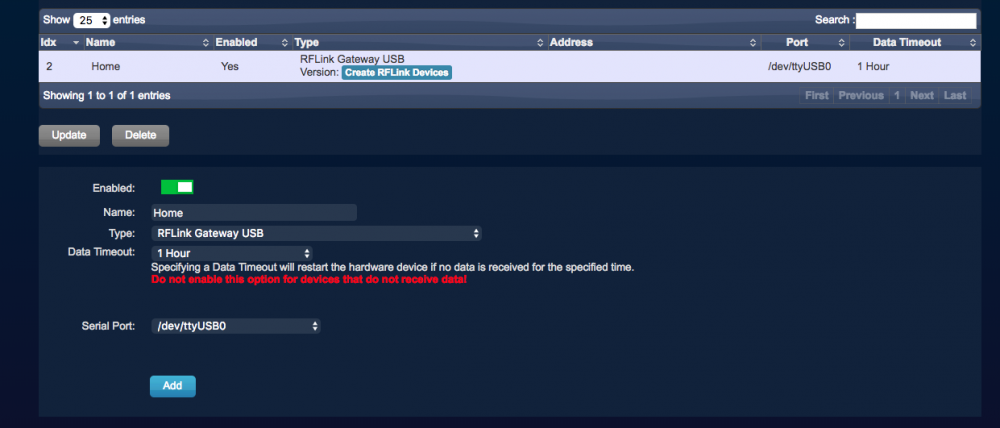
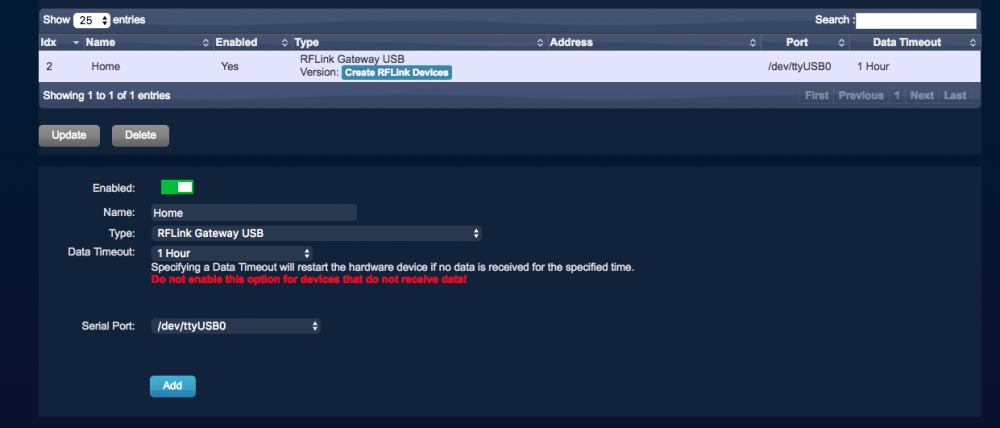
Has anyone managed to pass a usb device to the container? i'm trying to pass an arduino using - - -device=/dev/bus/usb/001/005:/dev/ttyUSB0 dmesg | tail [ 1298.319801] usb 1-1.1: USB disconnect, device number 3 [ 1303.099442] usb 1-1.1: new full-speed USB device number 5 using ehci-pci lsusb Bus 001 Device 005: ID 1a86:7523 QinHeng Electronics HL-340 USB-Serial adapter docker exec -it domoticz lsusb Bus 001 Device 005: ID 1a86:7523 So looks like the arduino/rflink has been passed to the container ok but it wont ever pick up any sensors/devices. I've tested it on a windows laptop and it worked fine. any suggestions? thanks
-
Nas:~# dmesg | grep tty [ 0.000000] console [tty0] enabled Nas:~# docker exec -it domoticz dmesg | grep tty console [tty0] enabled
-
ah ok so i changed my config to - --device=/dev/bus/usb/001/005:/dev/ttyUSB0 After making that change i can now see an option in the port selection menu - "dev/ttyUSB0" Is there anyway to check comms as i'm not sure it's working. i have tried to add a temperature sensors like i did on windows and nothing is coming up. sorry how is the modprobe ch341 command executed?
-
hi all, So i have RF link running on a arduino mega 2560 and tested it on a windows pc in domoticz and it's working great. Having trouble getting it connected to my docker container in unraid. dmesg | tail [ 1298.319801] usb 1-1.1: USB disconnect, device number 3 [ 1303.099442] usb 1-1.1: new full-speed USB device number 5 using ehci-pci lsusb Bus 001 Device 005: ID 1a86:7523 QinHeng Electronics HL-340 USB-Serial adapter i have tried --device=/dev/bus/usb/001/005:/dev/ttyS0 --device=/dev/bus/usb/001/005 but cant see it shown as a usb device or a serial port in the container - docker exec -it domoticz dmesg | grep tty console [tty0] enabled docker exec -it domoticz lsusb Bus 005 Device 001: ID 1d6b:0003 Bus 003 Device 001: ID 1d6b:0001 Bus 002 Device 002: ID 8087:0024 Bus 001 Device 001: ID 1d6b:0002 Bus 001 Device 004: ID 0781:5581 Bus 001 Device 005: ID 1a86:7523 Bus 001 Device 002: ID 8087:0024 Bus 002 Device 003: ID 0424:2660 Bus 004 Device 001: ID 1d6b:0002 Bus 002 Device 001: ID 1d6b:0002 Bus 005 Device 002: ID 0411:0240 any ideas? thanks
-
DOH! sorry it had been a long day. thanks
-
root@localhost:# /usr/local/emhttp/plugins/dynamix.docker.manager/scripts/docker run -d --name="nextcloud" --net="bridge" -e TZ="Europe/London" -e HOST_OS="unRAID" -e "PUID"="99" -e "PGID"="100" -p 443:443/tcp -v "/mnt/user/appdata/nextcloud":"/config":rw -v "":"/data":rw lsiodev/nextcloud docker: Error response from daemon: Invalid volume spec ":/data:rw": volumeinvalid: Invalid volume specification: ':/data:rw'. See '/usr/bin/docker run --help'. The command failed. any suggestions? thanks

